
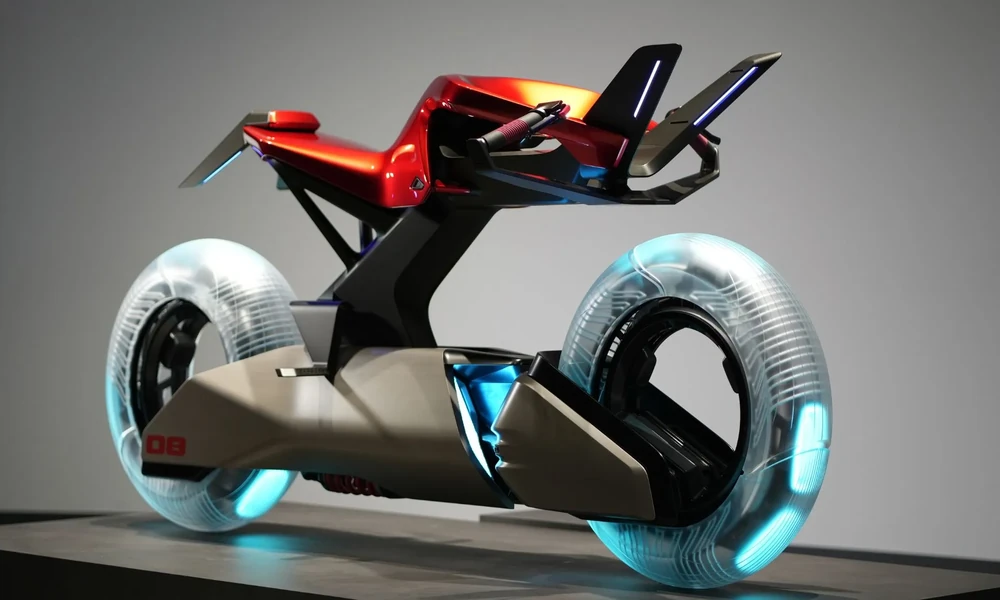
Motorcycles have evolved far beyond simple machines designed to move people from one place to another. Today, they represent a combination of technology, efficiency, comfort, and precision engineering. Every component, from the engine to the suspension, is developed with a clear purpose to improve performance and create a rewarding riding experience. Modern motorcycles reflect years of research and innovation, allowing riders to enjoy greater confidence on city streets, highways, and winding roads alike.
Among the many manufacturers recognised for engineering excellence, Yamaha bikes have earned a reputation for balancing power, durability, and rider-friendly design. Their continued development demonstrates how thoughtful engineering principles shape motorcycles that perform consistently in a wide range of conditions.
Lightweight Construction for Better Performance
One of the key engineering priorities in modern motorcycle design is reducing unnecessary weight without sacrificing structural strength. Engineers carefully select advanced materials and optimise frame designs to create motorcycles that feel agile while maintaining excellent stability.
A lighter motorcycle responds more quickly to steering inputs, accelerates efficiently, and requires less effort during braking. This balanced approach also improves fuel efficiency while making the motorcycle easier to handle for riders with different experience levels.
Every part of the motorcycle is evaluated to eliminate excess weight while preserving durability and long-term reliability.
Engine Efficiency Through Precision Design
The engine remains the heart of every motorcycle, and modern engineering focuses on maximising both power and efficiency. Instead of simply increasing engine size, engineers refine combustion systems, fuel delivery, cooling technology, and internal components to deliver smoother performance.
Precise fuel injection systems help optimise combustion under varying riding conditions, while advanced cooling methods maintain ideal operating temperatures. These improvements reduce engine wear, improve fuel economy, and provide predictable throttle response whether riding through traffic or cruising at highway speeds.
The result is an engine that delivers strong performance while remaining dependable over thousands of miles.
Advanced Chassis Engineering
A motorcycle’s frame serves as the foundation that connects every major component. Engineers carefully design chassis geometry to achieve the right balance between rigidity and controlled flexibility.
If a frame is too rigid, it may transfer excessive vibration to the rider. If it is too flexible, handling can become less precise. Modern engineering finds the ideal balance, allowing motorcycles to corner confidently while maintaining comfort throughout longer rides.
Frame geometry also influences weight distribution, ensuring stability during acceleration, braking, and turning.
Suspension Designed for Real World Conditions
Road conditions constantly change, making suspension engineering one of the most important aspects of motorcycle design. Modern suspension systems absorb bumps while keeping the tyres firmly connected to the road surface.
Front forks and rear shock absorbers are carefully calibrated to maintain comfort without compromising handling. In many models, adjustable suspension allows riders to customise settings based on road conditions, riding style, or passenger weight.
Well-designed suspension not only improves comfort but also enhances safety by helping maintain traction under varying conditions.
Aerodynamics That Improve Stability
Engineering extends beyond internal components to include airflow management. Aerodynamic design helps reduce wind resistance, improve fuel efficiency, and increase rider comfort at higher speeds.
Fairings, windshields, body panels, and carefully shaped fuel tanks are designed to guide airflow smoothly around both the motorcycle and rider. Reduced turbulence creates a more comfortable ride while contributing to better stability on open roads.
These aerodynamic improvements become especially valuable during long-distance travel, where reduced wind fatigue allows riders to remain more focused.
Electronics Supporting Safer Riding
Modern motorcycles increasingly rely on intelligent electronic systems that assist rather than replace rider skill. Features such as traction control, anti-lock braking systems, ride modes, and digital instrumentation provide valuable information and additional confidence.
These technologies continuously monitor riding conditions and respond when necessary, helping maintain stability while allowing riders to remain in control. Engineers integrate these systems seamlessly so they enhance the riding experience without becoming intrusive.
As technology advances, electronics continue to improve both convenience and overall rider safety.
Conclusion
The engineering behind modern motorcycles reflects a careful balance between innovation and practical performance. Lightweight construction, efficient engines, advanced chassis design, refined suspension, aerodynamic bodywork, and intelligent electronics all work together to create motorcycles that are enjoyable, reliable, and capable in a variety of environments. These engineering principles continue to drive motorcycle development forward, ensuring today’s riders benefit from machines built with precision, durability, and a strong focus on delivering an exceptional riding experience.