
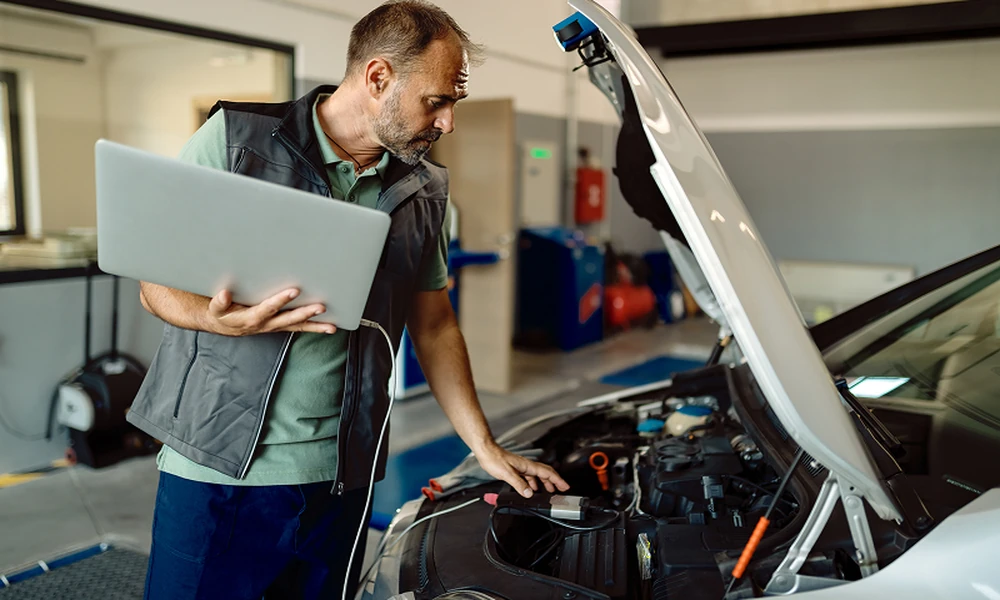
Accident repairs can differ between electric vehicles (EVs) and conventional petrol or diesel cars because their powertrains and electrical systems are designed differently. While both types of vehicles can require body, structural, electronic and mechanical repairs after a collision, EVs also contain high-voltage components that require specific safety procedures.
The differences can affect how damage is assessed, which technicians can carry out repairs and what diagnostic checks are required. These factors can also become relevant when making an electric car insurance claim in Singapore, particularly when specialist assessment or repair is required.
How are electric cars assessed after an accident?
An electric car normally requires an assessment that considers both visible accident damage and the condition of its high-voltage systems. The extent of the inspection depends on the location and severity of the collision.
Technicians may need to assess:
- Body panels and structural components for collision damage.
- The battery pack and its enclosure for signs of damage.
- High-voltage cables and electrical components.
- Electric motor and associated powertrain components.
- Sensors, cameras and other electronic systems.
- Warning indicators or diagnostic information generated by the vehicle.
High-voltage systems require appropriate isolation and safety procedures before certain repair work is undertaken. Technicians also need to follow the vehicle manufacturer’s procedures for handling and repairing the specific model.
Battery damage does not automatically mean that the entire battery must be replaced. The appropriate repair or replacement decision depends on the type and extent of damage identified during the assessment.
How do conventional cars differ during post-accident inspection?
Conventional cars do not have the same high-voltage traction battery system as EVs. Their post-accident inspections instead focus on components such as the engine, transmission, fuel system, cooling system, electrical components, bodywork and structural areas.
Modern petrol and diesel vehicles can also contain complex electronic systems. Therefore, diagnostic checks may still be required after an accident, particularly where sensors, cameras, electronic control units or driver assistance systems have been affected.
The key distinction is that EV inspections must account for the vehicle’s high-voltage architecture and traction battery in addition to conventional accident damage. Conventional vehicles have different mechanical and electrical systems that require their own inspection procedures.
Why do electric and conventional cars require different accident repairs?
The repair process reflects the underlying design of each vehicle. An EV’s battery pack, electric motor and high-voltage electrical architecture create additional safety and technical considerations that do not apply in the same way to petrol or diesel vehicles.
Other differences can include:
- Specialist equipment: EV repairs can require equipment designed for high-voltage systems and vehicle-specific diagnostics.
- Technician training: Personnel working on high-voltage systems need appropriate knowledge and safety training.
- Battery assessment: Collision damage affecting the battery area may require additional inspection.
- Electronic systems: Both vehicle types may require diagnostic checks and recalibration of relevant systems.
- Manufacturer procedures: Repairs should follow the specifications and procedures applicable to the particular vehicle.
These differences do not mean that every EV accident requires a more extensive repair than an equivalent conventional-car accident. The required work ultimately depends on the vehicle and the damage sustained.
What are the main differences between EV and conventional car accident repairs?
The main differences relate to the components that must be inspected and the safety procedures required during repair.
| Repair consideration | Electric cars | Conventional cars |
| Powertrain | Electric motor and related systems | Engine and transmission |
| Energy system | High-voltage battery system | Fuel system and conventional electrical system |
| High-voltage safety | Specific procedures may be required | Not applicable in the same form |
| Battery assessment | Relevant after certain collisions | Not applicable |
| Diagnostics | Vehicle-specific electronic and high-voltage checks may be required | Mechanical and electronic diagnostics may be required |
| ADAS systems | Calibration may be required where affected | Calibration may also be required where affected |
| Technician requirements | Appropriate EV and high-voltage expertise | Appropriate mechanical and vehicle-system expertise |
These distinctions are relevant beyond EVs. Motorcycle owners also need to consider vehicle-specific repair requirements when purchasing bike insurance in Singapore, particularly where accident damage involves specialised components or modifications.
How does the repair process affect a car insurance claim?
The repair assessment can form an important part of an insurance claim. After an accident, the insurer may require the vehicle to be inspected, assessed and repaired according to the terms and procedures of the policy.
For an EV, the claim may involve additional technical information where the collision has affected the battery or high-voltage components. The repairer may need to establish the extent of damage before the appropriate repair method and costs can be determined.
Drivers should follow their insurer’s claims process and avoid arranging repairs outside the applicable requirements without checking first. This is particularly relevant when considering electric car insurance, as the policy may specify procedures concerning approved repairers, assessments and claims.
For conventional vehicles, the same general principle applies. The insurer and repairer need sufficient information to determine the extent of damage and the appropriate repair work.
Frequently Asked Questions
Are electric cars harder to repair after an accident?
Not necessarily. Repair complexity depends on the vehicle and the extent and location of the damage, although EVs require specific procedures when high-voltage components are involved.
Does an EV battery always need to be replaced after a crash?
No. Battery replacement depends on the condition and extent of damage identified during an appropriate assessment.
Do EV accident repairs require specialist technicians?
Repairs involving high-voltage systems require technicians with appropriate knowledge, training and equipment for the work involved.
Are electric car repairs more expensive than conventional car repairs?
There is no universal cost difference. Repair costs depend on factors such as the vehicle, parts required, labour, diagnostic work and extent of damage.
Can the repair process affect an EV insurance claim?
Yes. Damage assessment, repair requirements, approved repairers and the terms of the policy can all be relevant to how a claim is handled.
Visit Income Insurance to give your vehicle the right safety net.