
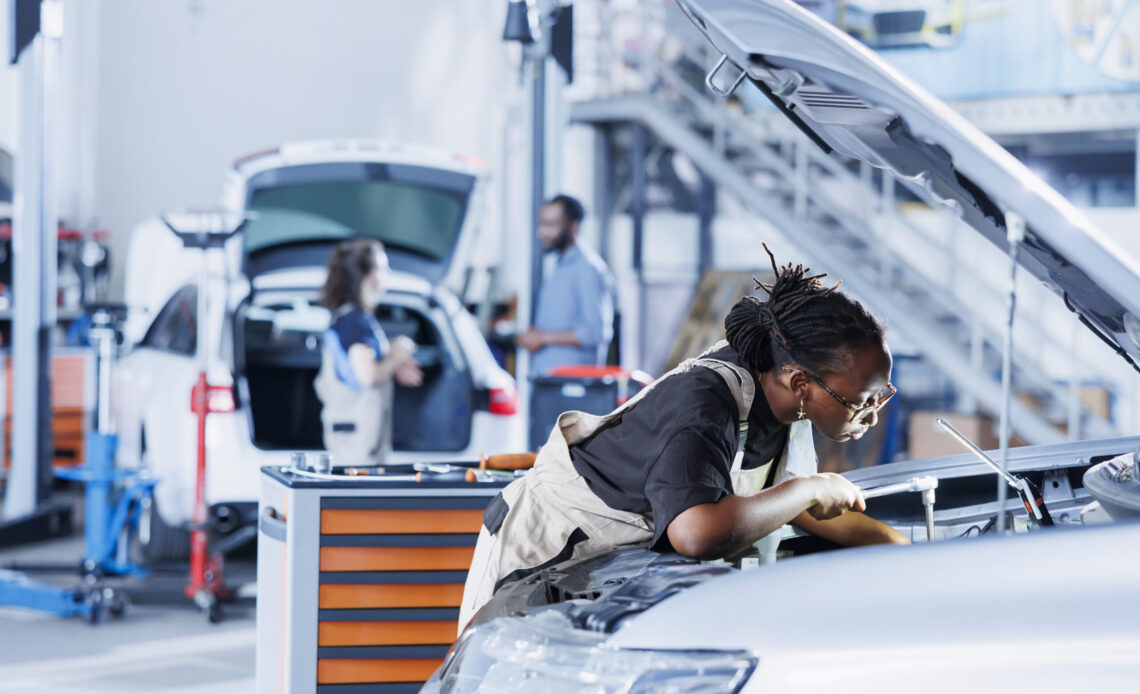
The automotive industry is evolving rapidly, and with that evolution comes a significant transformation in how vehicles are maintained and repaired. Modern cars are more sophisticated than ever, featuring advanced electronics, sensors, connectivity systems, and complex software. As a result, professional car repair services are adapting to meet these changing demands. Businesses such as https://alleuropeanautorepair.com/ reflect the growing importance of specialized expertise in an industry that is becoming increasingly technology-driven.
Advanced Diagnostics Are Becoming Standard
One of the most important trends shaping automotive care is the widespread use of advanced diagnostic technology. Modern vehicles contain numerous electronic control units that monitor everything from engine performance to safety systems. Repair professionals now rely on sophisticated diagnostic tools to quickly identify issues and provide accurate solutions. Industry reports indicate that vehicle complexity continues to increase, driving greater demand for advanced diagnostics and specialized repair expertise.
This shift reduces guesswork and helps technicians resolve problems more efficiently, improving both repair accuracy and customer satisfaction.
Artificial Intelligence Is Improving Repair Accuracy
Artificial intelligence is beginning to play a major role in automotive repair. AI-powered systems can analyze vehicle data, identify patterns, and help technicians diagnose problems faster than traditional methods. These tools can also predict potential failures before they occur, allowing vehicle owners to address issues proactively. AI-driven diagnostics and predictive maintenance are becoming increasingly important as vehicles generate larger amounts of operational data.
For customers, this means fewer unexpected breakdowns and more reliable vehicle performance over time.
Predictive Maintenance Is Gaining Popularity
Traditional maintenance schedules often rely on mileage or time intervals. However, predictive maintenance is changing this approach. Connected vehicles can now provide real-time information about component health, enabling repair professionals to recommend maintenance based on actual vehicle conditions rather than estimates.
By monitoring performance data continuously, repair facilities can identify wear patterns and potential issues before they become serious problems. This proactive approach helps reduce repair costs and extends vehicle lifespan.
Electric Vehicle Expertise Is Expanding
The growing adoption of electric vehicles has created a need for specialized repair knowledge. Unlike conventional vehicles, EVs require technicians to understand high-voltage battery systems, electric drivetrains, charging infrastructure, and advanced software management.
As more consumers switch to electric transportation, repair facilities are investing in training programs, specialized equipment, and updated certifications. Industry analysts identify electric and hybrid vehicle servicing as one of the fastest-growing segments within automotive repair services.
This trend is expected to continue as governments and manufacturers promote cleaner transportation solutions worldwide.
Digital Service Experiences Are Enhancing Convenience
Customer expectations have changed significantly in recent years. Vehicle owners now expect the same level of convenience they experience in other service industries. As a result, automotive repair businesses are embracing digital tools such as online appointment scheduling, digital inspections, electronic estimates, and automated service reminders.
Digital transformation is improving communication between repair shops and customers while increasing transparency throughout the repair process. Connected service platforms are becoming a key component of modern automotive care.
Remote Diagnostics and Connected Vehicles
Connected vehicle technology is creating new opportunities for remote diagnostics. Instead of waiting for a warning light to appear, repair professionals can often access vehicle performance information remotely and identify potential issues earlier.
Remote monitoring systems provide valuable insights into vehicle health and allow service providers to recommend timely maintenance. This trend is expected to become even more important as connected car technology continues to expand.
The Growing Role of Repair Software
Modern repair facilities are increasingly dependent on specialized software platforms. These systems help manage diagnostics, service records, inventory, customer communication, and workflow management. Mobile-based repair software is also helping technicians work more efficiently by providing instant access to repair information and technical documentation.
As automotive technology advances, software solutions will continue to play a critical role in improving repair quality and operational efficiency.
Conclusion
The future of automotive care is being shaped by technology, connectivity, and specialized expertise. Advanced diagnostics, artificial intelligence, predictive maintenance, electric vehicle servicing, digital customer experiences, remote monitoring, and repair software are transforming the way vehicles are maintained. As vehicles become increasingly sophisticated, professional repair providers must continue adapting to new technologies and evolving customer expectations. These trends are not only improving repair accuracy and efficiency but are also creating a smarter and more proactive approach to vehicle care for the years ahead.