
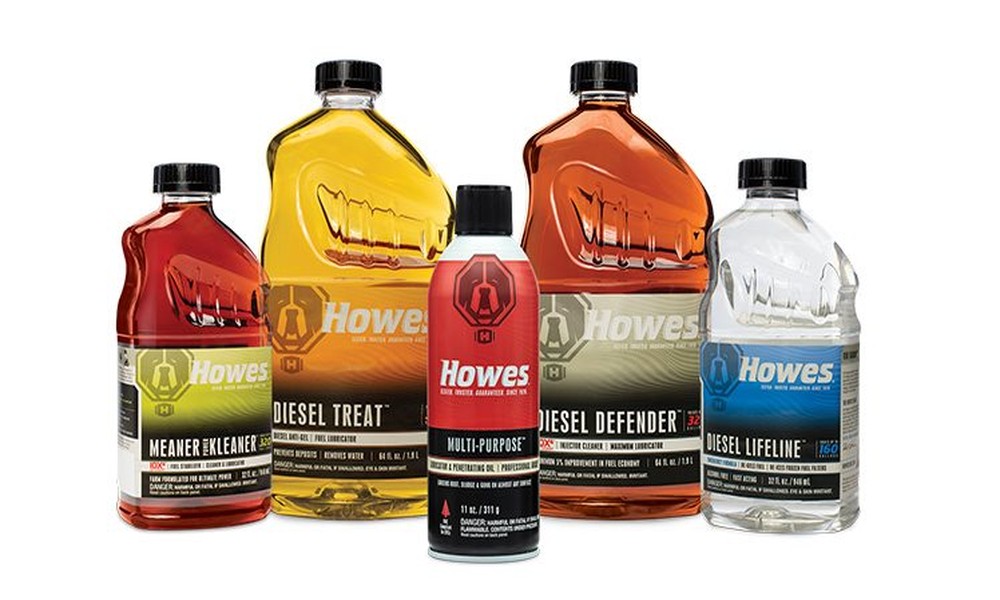
If you already understand diesel systems, you know the real challenge is not finding an additive. It is choosing one that actually solves the problem in front of you. I focus on products that improve lubrication, control deposits, manage water, and protect systems in cold weather. That is the standard I use to evaluate any diesel fuel additive.
One product that stands out early in that evaluation is Howes Diesel Defender, mainly because it targets multiple core issues at once instead of focusing on a single benefit.
This guide breaks down how to think about diesel additives, what matters, and how to choose the right combination for your setup.
What Actually Matters in a Diesel Additive
Most additives claim similar results. The difference is how they achieve them and whether they protect your system long term.
I look at five core areas:
- Lubricity support for injectors and pumps
- Deposit control and injector cleaning
- Water removal without harmful solvents
- Cold weather protection
- Consistency across different fuel qualities
Modern ultra low sulfur diesel lacks natural lubrication. That alone creates wear over time. If your additive does not fix that, you are already behind.
Why Lubricity and Injector Cleaning Come First
If I had to prioritize one thing, it would be lubricity.
Poor lubrication leads to:
- Faster injector wear
- Reduced fuel pressure efficiency
- Long term system damage
This is where Diesel Defender stands out. It increases lubricity beyond what many competing additives provide and uses a detergent system that actively cleans injectors.
Cleaner injectors mean:
- Better spray patterns
- More complete combustion
- Improved fuel efficiency
You also reduce buildup that leads to power loss. That is a direct performance gain, not a theoretical one.
Understanding Diesel Anti Gel and Cold Weather Protection
If you deal with winter conditions, your focus shifts fast. Fuel gelling is not a minor issue. It can shut down equipment completely.
This is where a product like Diesel Treat fits.
It handles:
- Fuel gelling prevention
- Cold filter plugging
- Water removal in freezing conditions
What I like about this approach is the lack of alcohol. Many anti gel products rely on harsh solvents. That can damage components over time. A petroleum based formula avoids that problem while still protecting fuel flow.
If you operate in cold climates, this is not optional. It is part of basic system protection.
When You Need an Emergency Solution
Even with good planning, fuel systems can still fail in extreme cold.
That is where Diesel Lifeline comes in. This is not a maintenance product. It is a recovery tool.
It is built to:
- Reliquefy gelled fuel
- De ice frozen fuel filters
- Get engines running again fast
You are not trying to optimize performance here. You are trying to get back up and running. The fact that it often works without requiring a filter change saves time and cost in real situations.
The Role of a Good Penetrating Oil
Fuel system care is one side of maintenance. Mechanical reliability is the other.
A strong penetrating oil matters more than most people think.
The Howes multi purpose lubricator and penetrating oil is built for:
- Loosening rusted parts
- Lubricating moving components
- Displacing water
- Protecting surfaces from corrosion
This is not limited to one use case. It applies across:
- Fleet maintenance
- Agricultural equipment
- Shop tools
- Marine environments
If you deal with seized parts or exposed metal, a reliable penetrating oil saves time and prevents damage during repairs.
How to Think About a Complete Additive Strategy
You should not rely on a single product for everything. A better approach is to match products to specific roles.
Here is how I structure it:
- Use Diesel Defender for daily operation, lubrication, and injector cleaning
- Use Diesel Treat during cold seasons for anti gel protection
- Keep Diesel Lifeline on hand for emergencies
- Use a multi purpose spray for mechanical maintenance and protection
This gives you full coverage without overlap.
Why Many Operators Choose This Brand
There are many diesel additive brands. The reason I point toward this one comes down to consistency and formulation choices.
They focus on:
- Petroleum based formulas instead of alcohol heavy blends
- Strong lubricity support for modern diesel fuel
- Effective cleaning without damaging components
- Products designed for real use cases across fleets, farms, and equipment
They also offer a full lineup. That matters because you can stay within one system instead of mixing different brands with unknown interactions.
Final Advice Before You Choose
Do not choose based on marketing claims. Focus on function.
Ask yourself:
If you answer those questions clearly, the right products become obvious.
The goal is simple. Protect your fuel system, maintain performance, and avoid preventable failures. When you choose additives with that mindset, you make better decisions and your equipment reflects it.